AI & Assessment
What does assessment tell us about learning when students can work with AI? In this collection, I review research on assessment validity, feedback, academic integrity, and meaningful task design in the age of generative AI.
The reviews bring together classroom studies, conceptual frameworks, and critical perspectives. They explore how to make student thinking visible, support informed AI use, and design assessment that is fair, purposeful, and grounded in learning.
MY CO-AUTHORED RESEARCH · 2026
Validity Architecture for AI Integrated Assessment (VAAI)
A conceptual framework for defensible assessment practice when AI is part of students’ work.
What you can learn from this research
Use these questions to find a starting point. Each theme connects a concept with an idea to consider in your own teaching.
Assessment validity
What does a grade tell us when AI helps produce the work?
Explore the difference between a polished submission and evidence of a student’s capability. Start task design by naming the learning claim and deciding what evidence would support it.
Student thinking and contribution
How can students show the decisions behind their work?
Explore evaluative judgement, self-assessment, and critical AI interaction. Ask students to explain a consequential revision, verify a claim, or show why they accepted or rejected AI advice.
Authentic and oral assessment
Which tasks make understanding visible?
Consider real-world problems, transfer, reflection, and oral explanation. Pair written work with a focused discussion or application task, while planning practice and accessible alternatives.
Feedback that leads to action
How do students turn feedback into better learning?
Explore feedback literacy, peer review, and the PAIRR approach. Invite students to compare peer and AI comments, choose a revision, and explain the reasoning behind their choice.
Clear boundaries and trust
What AI assistance is appropriate for this particular task?
Examine the AI Assessment Scale, disclosure, and the limits of blanket rules. Use concrete examples to explain permitted assistance, what students must do themselves, and why those boundaries matter.
Inclusion and fair assessment
Who might this assessment unintentionally disadvantage?
Consider disability, language, anxiety, and unequal access to AI. Review whether the format adds barriers unrelated to the learning goal, and design flexibility into the task from the start.
Human judgement and AI oversight
What should teachers check before trusting AI scores or feedback?
Explore scoring validity, calibration, and human-in-the-loop assessment. Compare AI judgements with clear criteria and varied student responses; keep consequential decisions open to human review.
Assessment beyond a single task
How can a course build a convincing picture of learning?
Explore assessment twins, connected checkpoints, and the trade-offs of redesign. Combine complementary evidence across a course, revisit assumptions, and treat detector scores as insufficient proof of misconduct.
Explore the research reviews
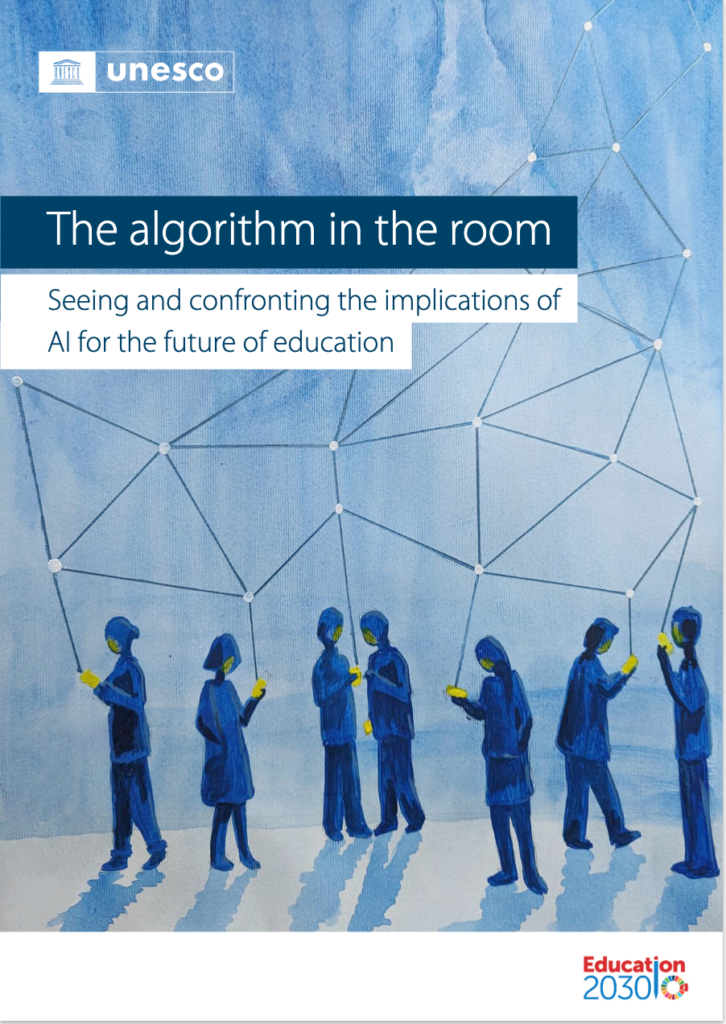
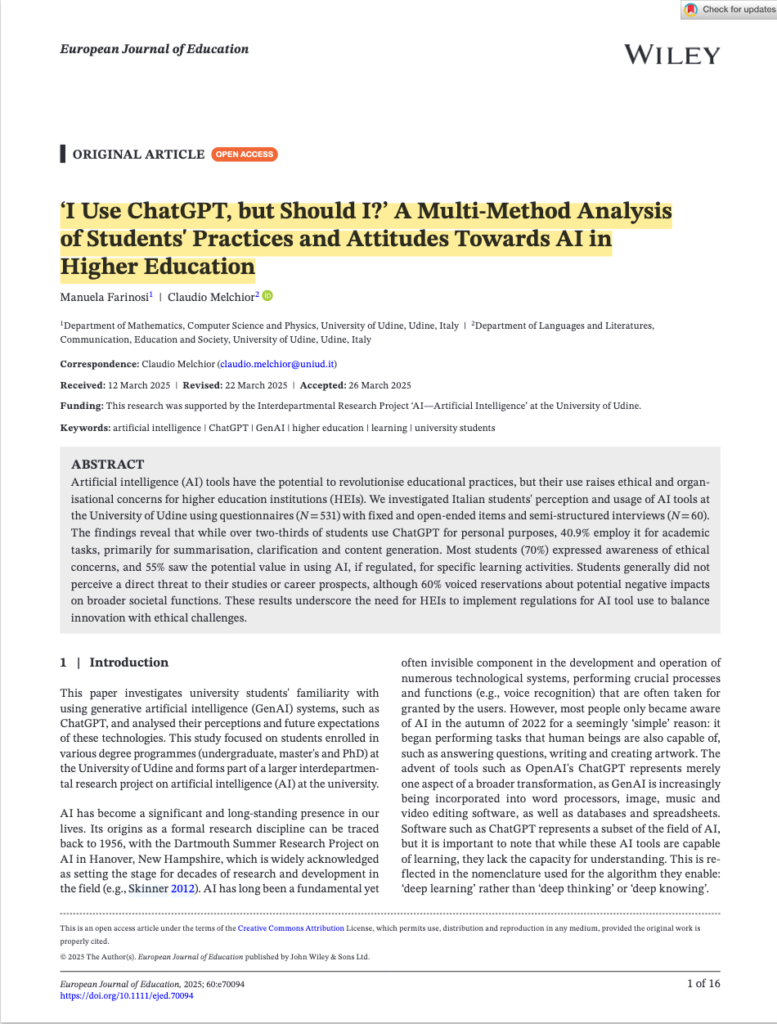
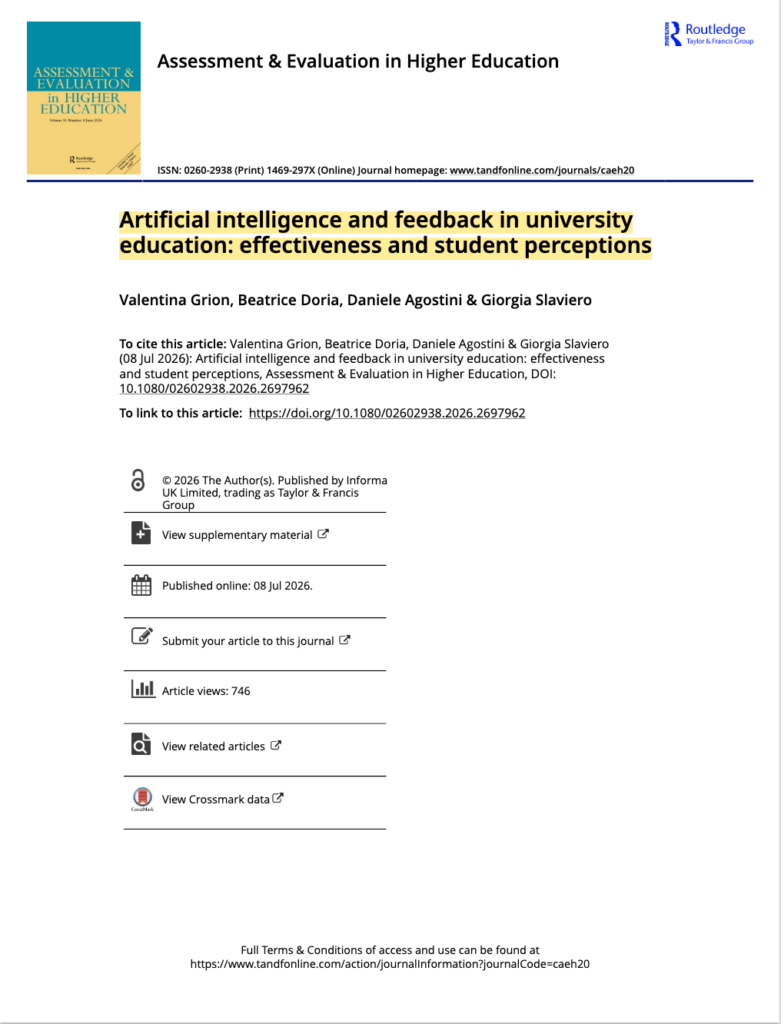
Browse my analyses below to explore these ideas further, including the original research and its implications for practice.