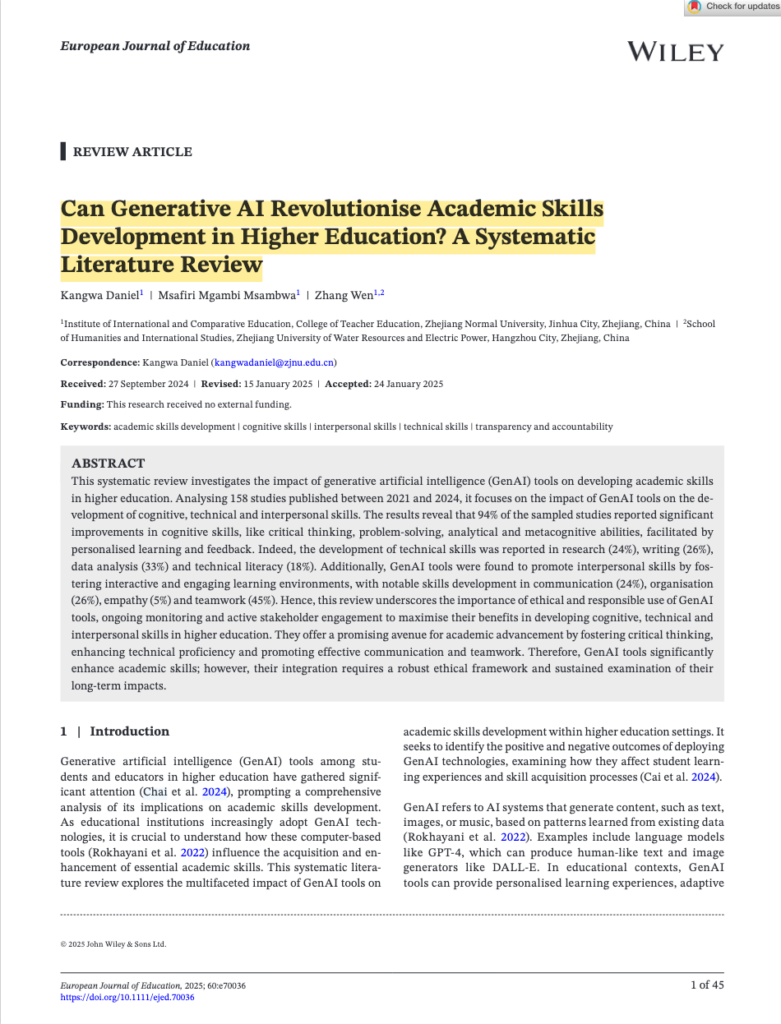
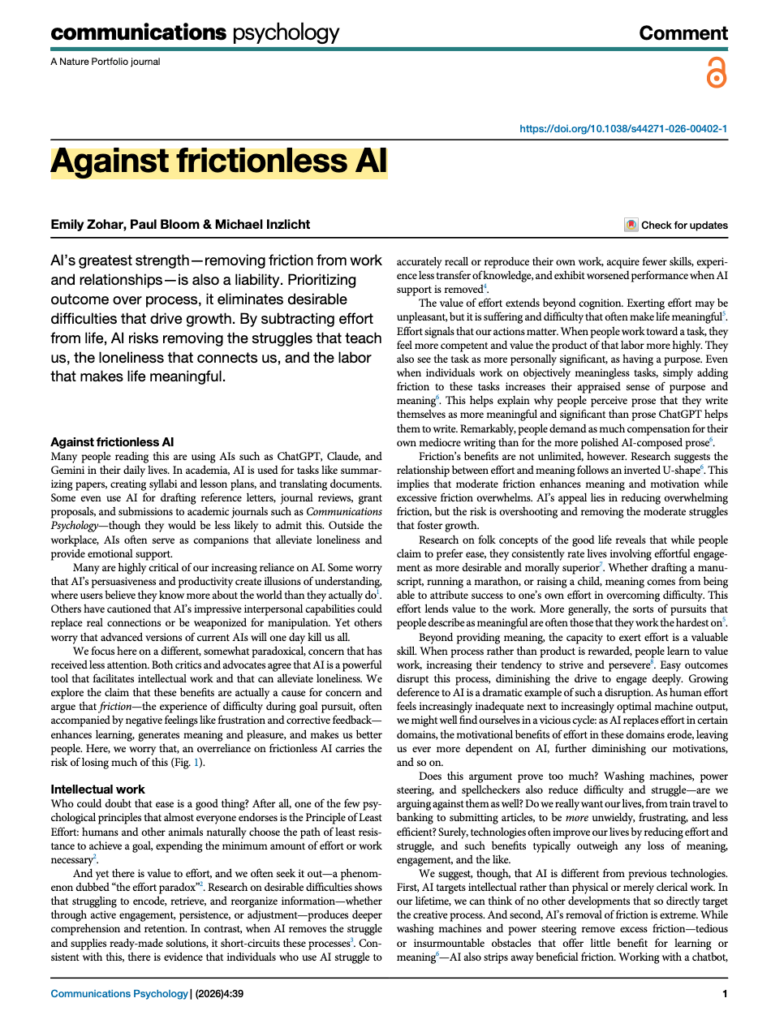
AI & Cognition
What happens to learning when AI takes on part of the thinking? I review research on cognitive offloading, memory, confidence, student agency, and critical thinking, asking what learners can still do when assistance is removed.
These reviews help you distinguish a stronger finished product from stronger understanding. Explore ways to keep retrieval, reasoning, and judgement visible in learning activities.
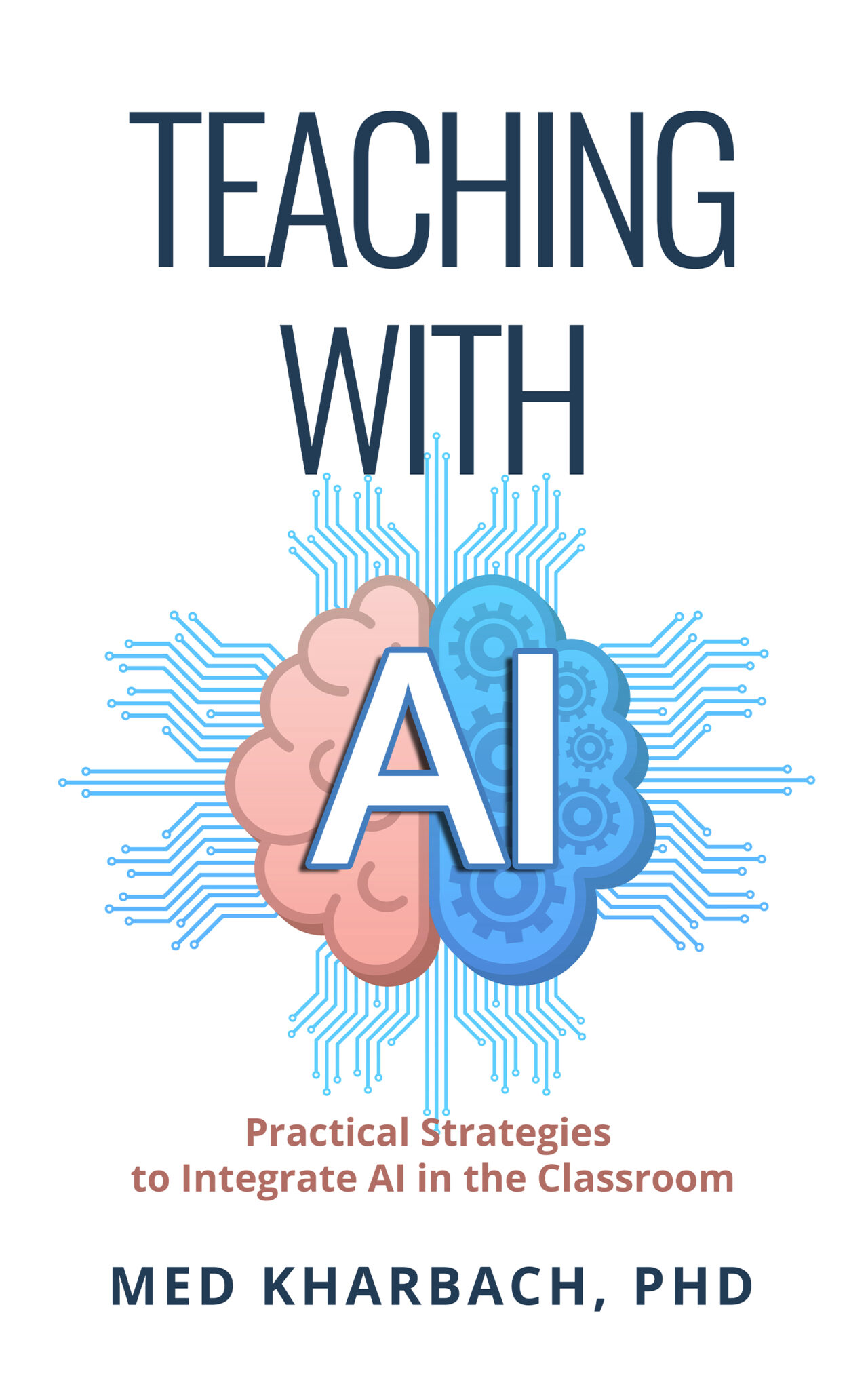
MY BOOK · FOR EDUCATORS
Teaching with AI
Explore my practical guide to AI literacy, thoughtful lesson design, and ethical classroom use.
What you can learn from this research
Use these questions to find a starting point. Each theme connects an idea with a practical question for your work.
Access and understanding
Can students explain an idea after closing the source?
Explore the difference between finding information and learning it. Add an independent explanation or retrieval step after search or AI use.
Cognitive offloading
Which parts of the task must remain with the learner?
Identify the thinking your lesson is meant to develop, then decide what assistance supports that goal and what might bypass it.
Confidence and checking
Does feeling confident mean students understand?
Invite learners to predict their performance and compare that prediction with an independent attempt. Use the gap as a prompt for reflection.
Student agency
Who is directing the learning?
Examine how learners set goals, question suggestions, and make decisions during AI use. Look beyond the fact that a student entered a prompt.
Explore the research and resources
Browse my reviews and resources below to explore these ideas further and follow the sources behind them.