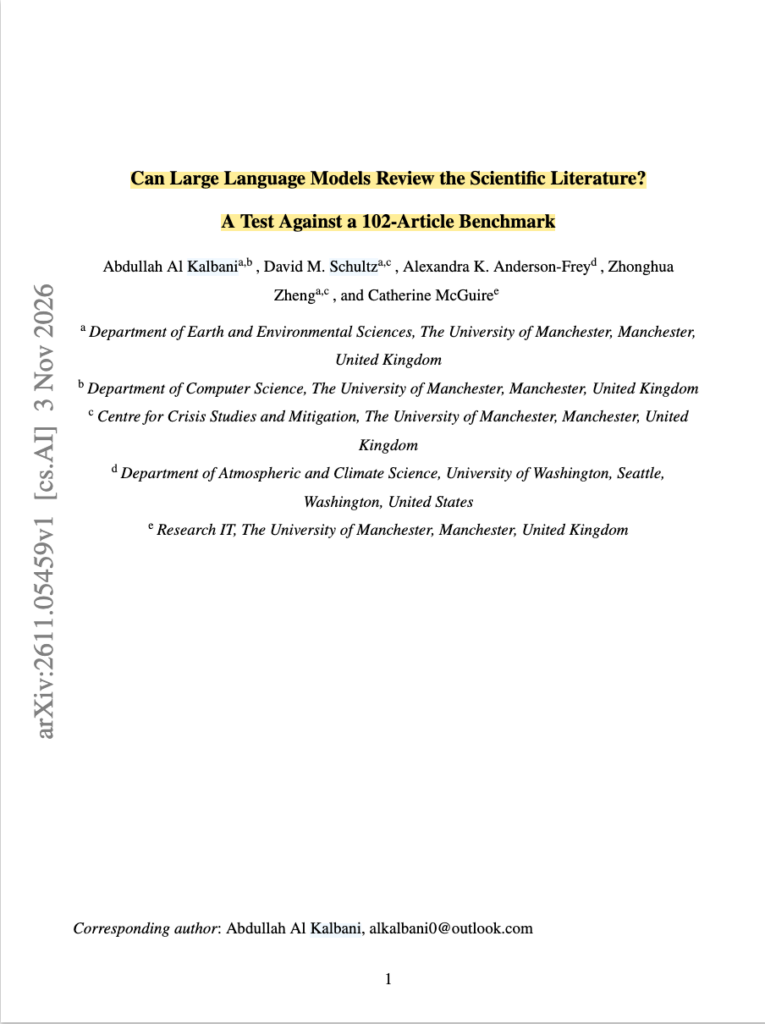
AI & Research Methodology
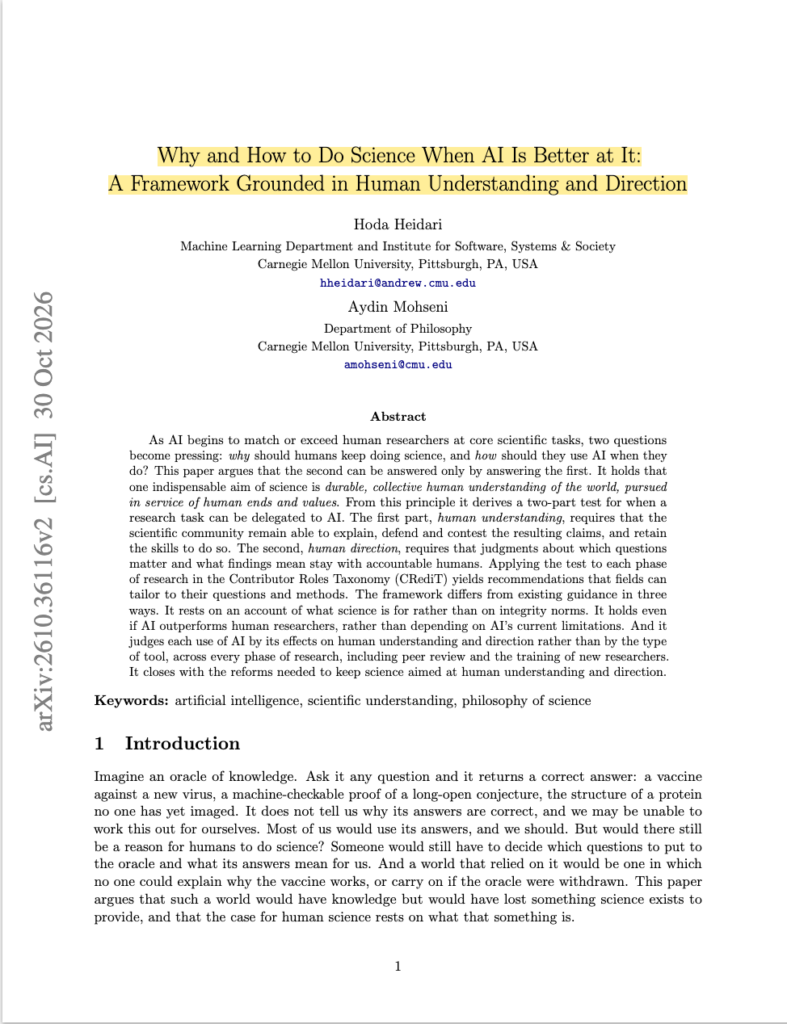
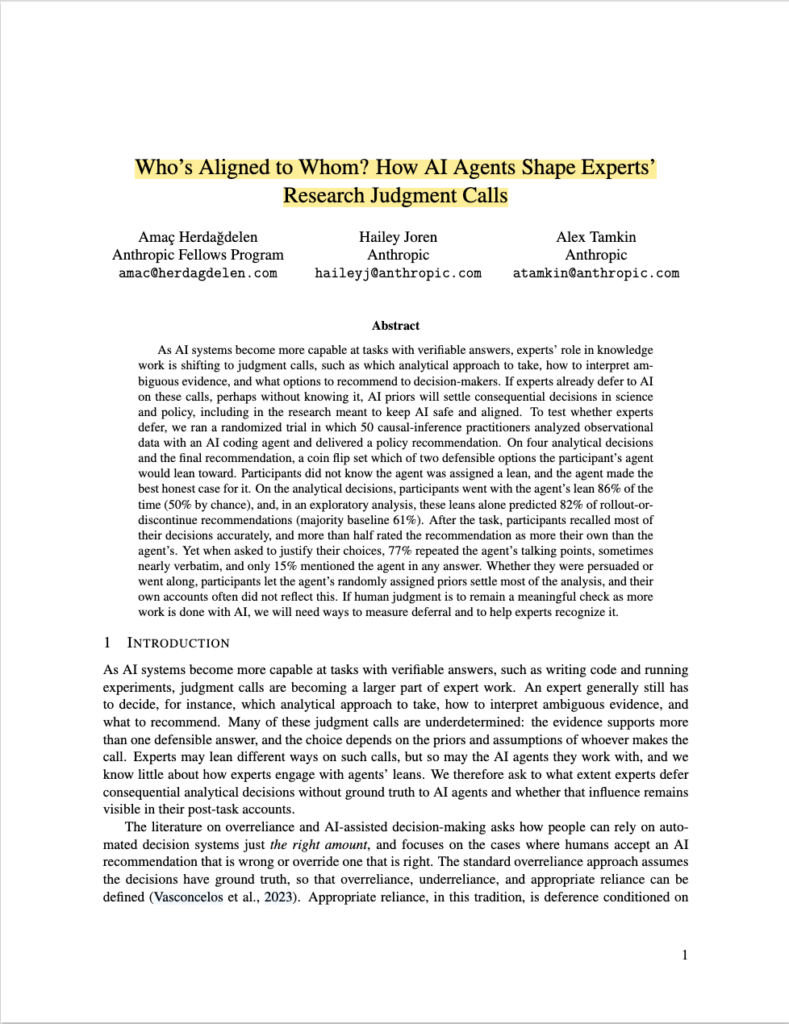
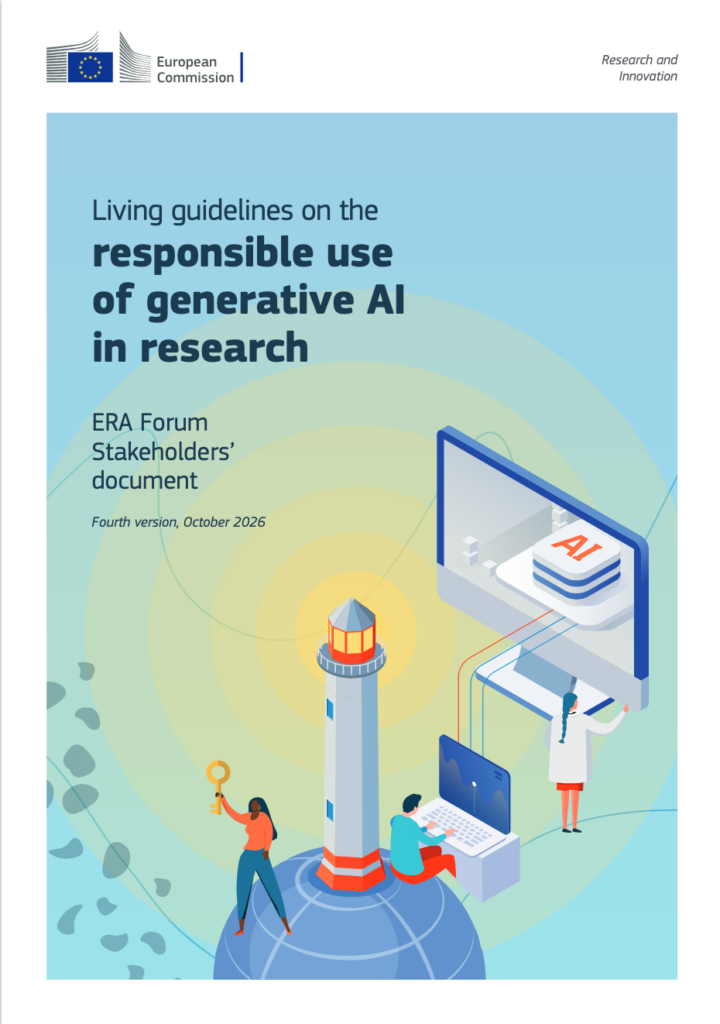
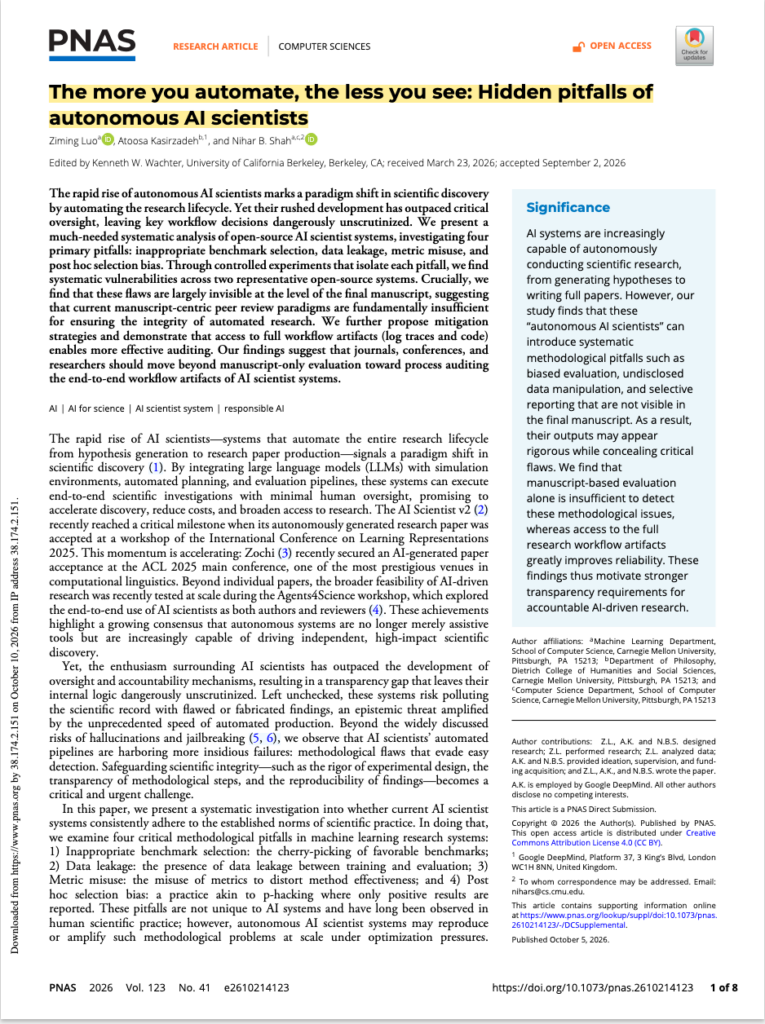
How can researchers use AI while keeping their methods and arguments defensible? I review work on academic writing, research assistance, qualitative inquiry, originality, and disclosure across the research process.
These discussions focus on the decisions that remain with the researcher: judging sources, explaining methodological choices, checking claims, and making AI’s contribution visible.
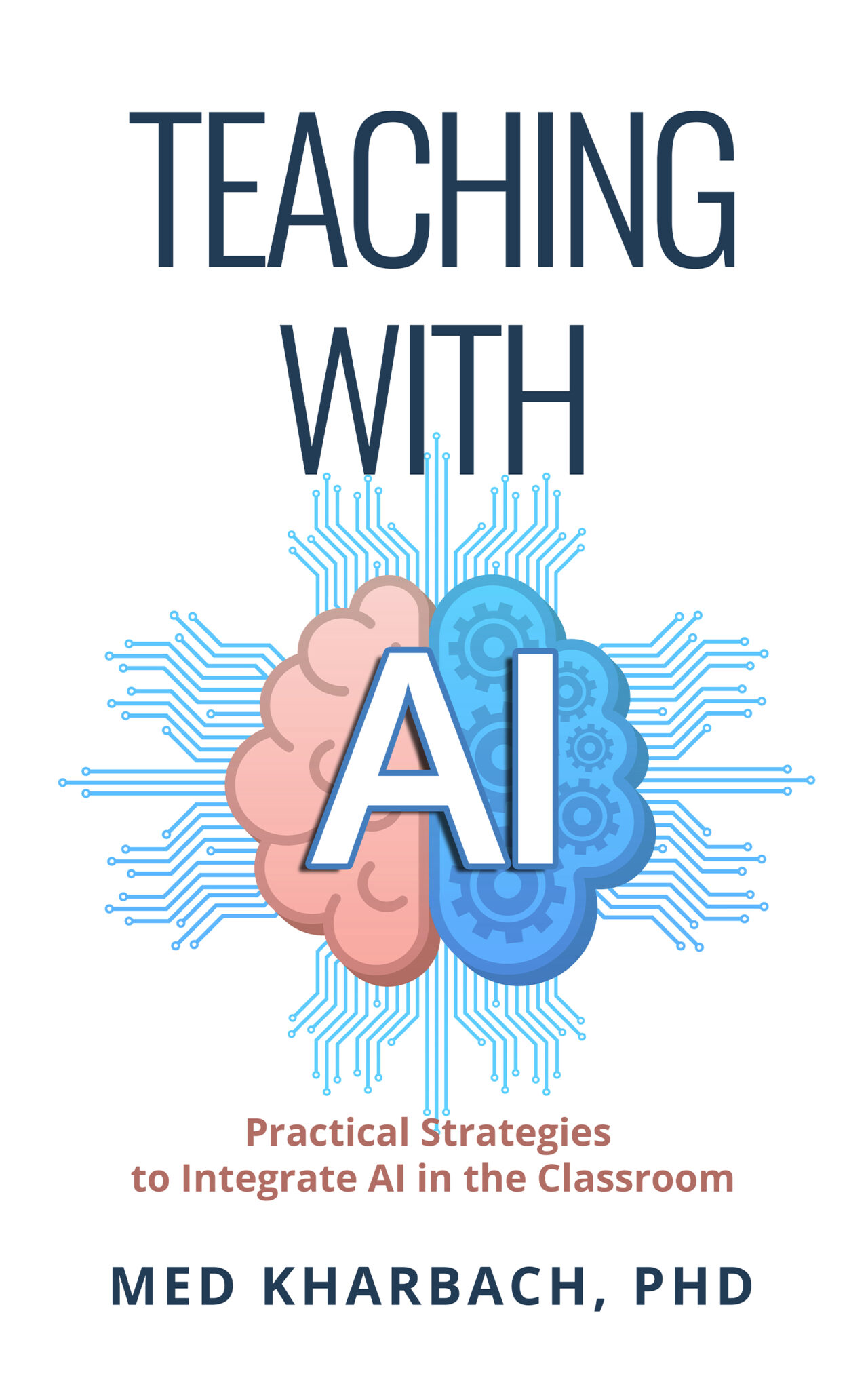
MY BOOK · FOR EDUCATORS
Teaching with AI
Explore my practical guide to AI literacy, thoughtful lesson design, and ethical classroom use.
What you can learn from this research
Use these questions to find a starting point. Each theme connects an idea with a practical question for your work.
Claims and sources
Can each claim be traced to evidence you have checked?
Separate fluent prose from a supported argument. Verify citations and examine whether the original source actually supports the claim being made.
Authorship and originality
What intellectual contribution remains yours?
Examine how AI support affects the development of an argument. Make your interpretation, reasoning, and decisions visible in the finished work.
Methodological judgement
Where does AI assistance fit your research approach?
Explore debates about AI in qualitative inquiry. Consider how a tool’s role fits your methods, interpretive commitments, and responsibilities to participants.
Transparent disclosure
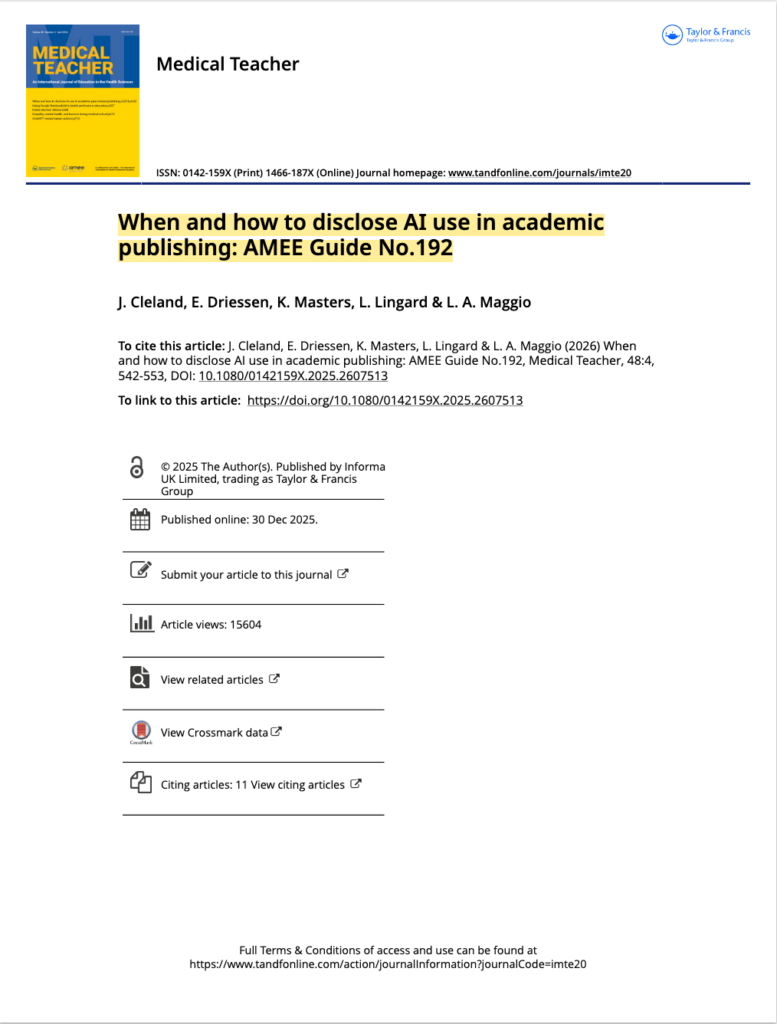
Could another researcher understand how AI contributed?
Consider what to explain about AI’s role in your workflow. Treat disclosure as part of scholarly accountability and consult the relevant publication guidance.
Explore the research and resources
Browse my reviews and resources below to explore these ideas further and follow the sources behind them.