

AI & Teaching Practice
What makes AI use educationally worthwhile? I review classroom applications and teaching frameworks with attention to lesson goals, student thinking, feedback, and the professional judgement teachers bring to practice.
Explore how teachers can shape the division of work between students and AI, respond to unhelpful outputs, and judge whether an activity produces learning as well as a finished task.
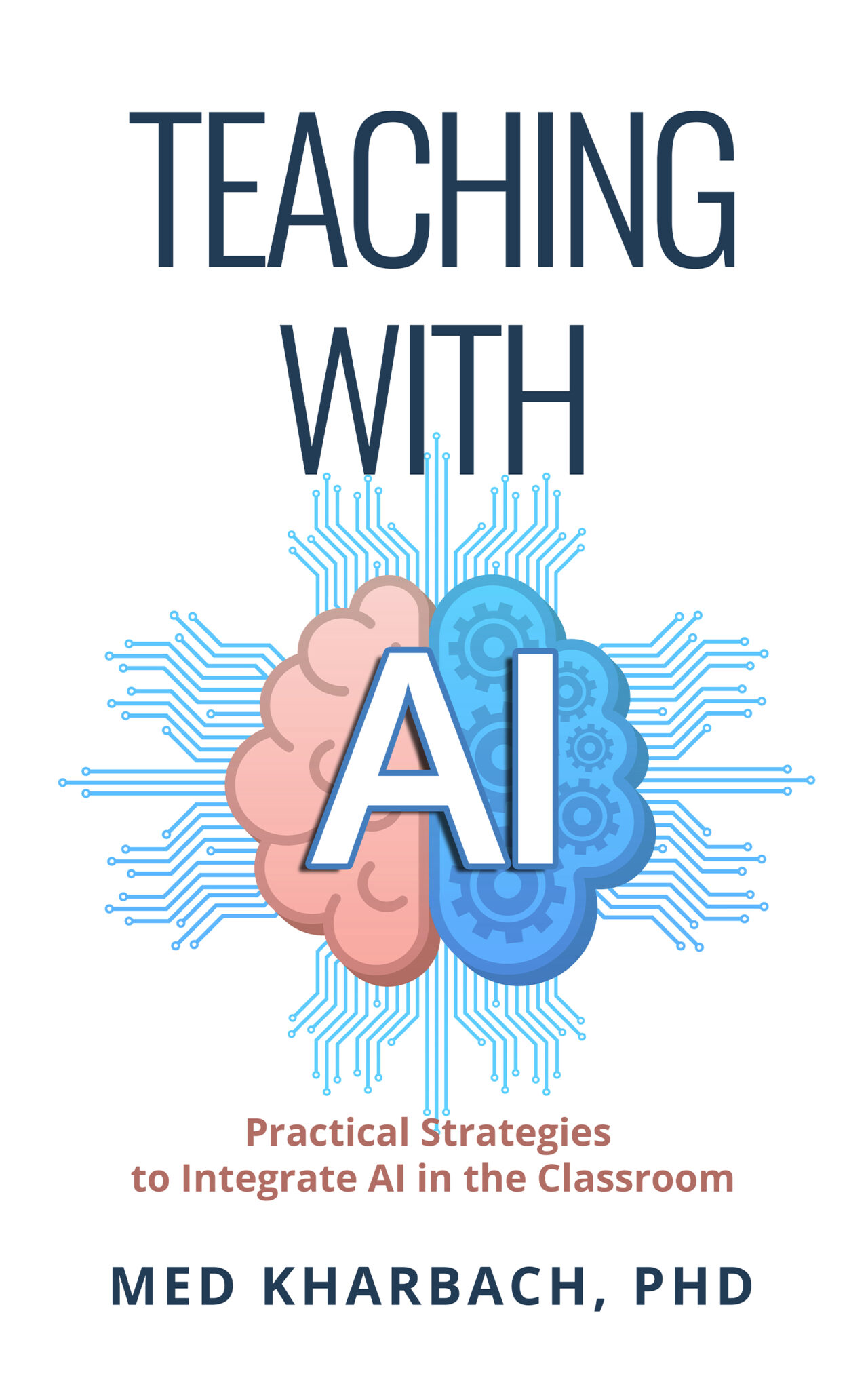
MY BOOK · FOR EDUCATORS
Teaching with AI
Explore my practical guide to AI literacy, thoughtful lesson design, and ethical classroom use.
What you can learn from this research
Use these questions to find a starting point. Each theme connects an idea with a practical question for your work.
Purposeful collaboration
Which decisions should stay with the student or teacher?
Define AI’s role before the activity begins. Keep interpretation, verification, and final decisions visible throughout the task.
Productive friction
What should learners do when an AI response goes wrong?
Use a misunderstanding as a chance to clarify the goal, challenge an assumption, or correct an error. Repeatedly requesting another answer is only one possible response.
Feedback students can use
How will students turn AI comments into revision?
Explore the design of writing feedback and the support learners need to interpret it. Ask students to explain the changes they choose to make.
Learning after assistance
What can students explain independently afterwards?
Follow AI-supported work with a fresh example, explanation, or application. An AI explanation creates an opportunity to learn; it is not evidence that learning occurred.
Explore the research and resources
Browse my reviews and resources below to explore these ideas further and follow the sources behind them.


