Critical AI Literacy
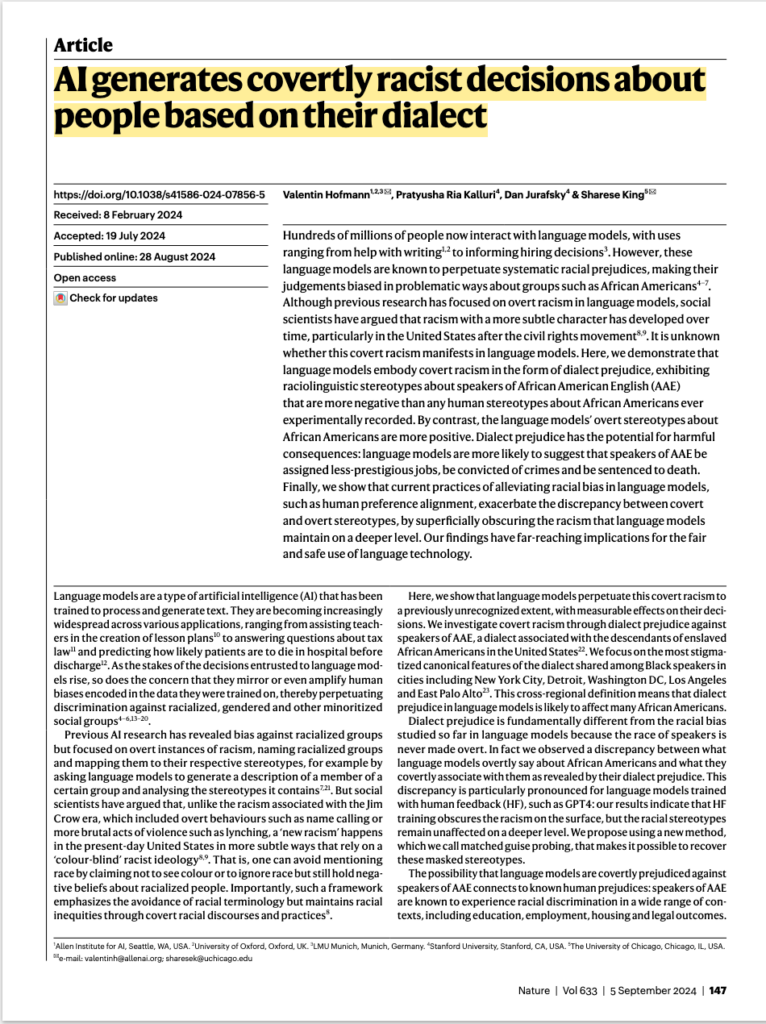
Critical AI literacy asks how systems shape knowledge, whose interests they serve, and whose perspectives they leave out. I review research and conceptual work that connect AI use with power, data justice, representation, and human judgement.
Explore ways to move these questions into teaching through reflection, dialogue, design, and making. The aim is to help learners examine both AI outputs and the systems behind them.
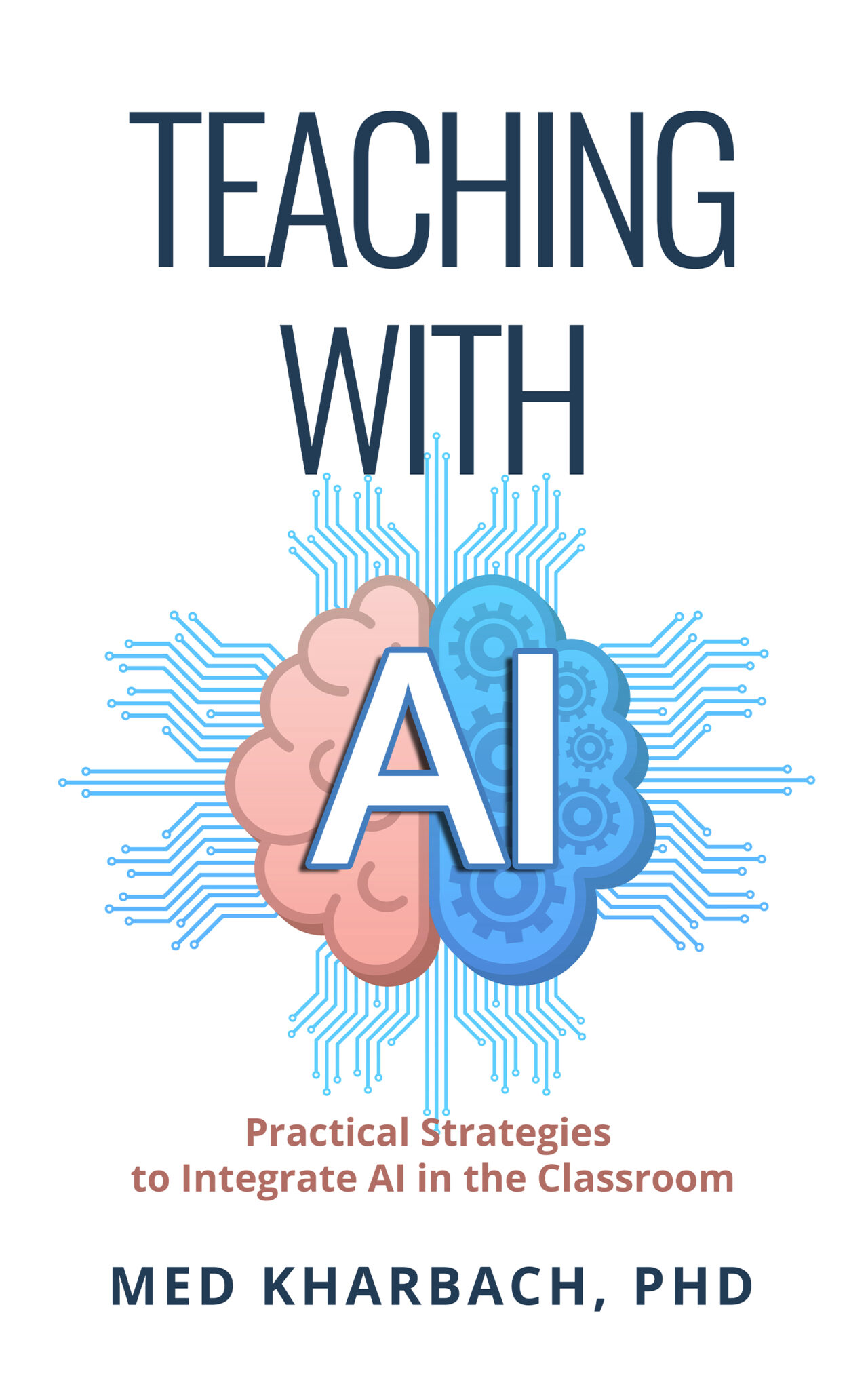
MY BOOK · FOR EDUCATORS
Teaching with AI
Explore my practical guide to AI literacy, thoughtful lesson design, and ethical classroom use.
What you can learn from this research
Use these questions to find a starting point. Each theme connects an idea with a practical question for your work.
Data justice
Whose values and experiences shape an AI system?
Examine what training data and design decisions make visible or leave out. Ask who benefits and who could be affected by the system’s decisions.
Reflective judgement
What might be missing from an AI response?
Use think-alouds or short reflection journals to make evaluation visible. Ask what needs checking and how an unchecked response might influence others.
Design and making
How could learners imagine a fairer alternative?
Use a design scenario or a simple prototype to explore an AI system’s consequences. Let students make an argument through the artifact they create.
Dialogue and perspective
How can discussion change our interpretation of AI?
Try role play, data storytelling, or peer discussion. Ask students to represent another perspective fairly and explain how it changes their judgement.
Explore the research and resources
Browse my reviews and resources below to explore these ideas further and follow the sources behind them.