
My Books
I write about AI in education and academic research, connecting critical perspectives with practical ways to teach, learn, and conduct research. Explore four books that place professional judgment, thoughtful inquiry, and human learning at the center.

Critical Thinking with AI
81 Practical Classroom Activities for Teachers
How can we use AI to help students become better critical thinkers? This book offers practical classroom activities that help students question claims, weigh evidence, consider alternatives, and explain their reasoning while working with AI.
Explore 35 full activities and 46 quick activities for teachers from Grade 3 through university. The full activities include worked examples, step-by-step student tasks, ready-to-use AI prompts, discussion questions, and teacher notes.
Make thinking visible
Help students question claims, evaluate evidence, and explain the reasoning behind their conclusions.
Bring ideas into class
Use worked examples, AI prompts, and discussion questions to guide practical classroom activities.
Support thoughtful feedback
Draw on single-point rubrics and examine whose perspectives AI responses reflect or leave out.

Teaching with AI
Practical Strategies to Integrate AI in the Classroom
How can teachers use AI purposefully while keeping students actively involved in their own learning? I wrote this book to connect AI literacy with the everyday decisions educators make about lessons, activities, tools, and assessment.
Across four parts and ten chapters, explore AI literacy and critical thinking, familiar pedagogical frameworks, classroom applications, and ethical reflection.
Build AI literacy
Understand capabilities, limitations, and bias, and help students question what AI produces.
Plan with pedagogy
Connect AI use to SAMR, Bloom’s revised taxonomy, TPACK, and Webb’s Depth of Knowledge.
Strengthen your practice
Explore lesson planning, classroom prompts, professional learning, privacy, equity, and academic integrity.
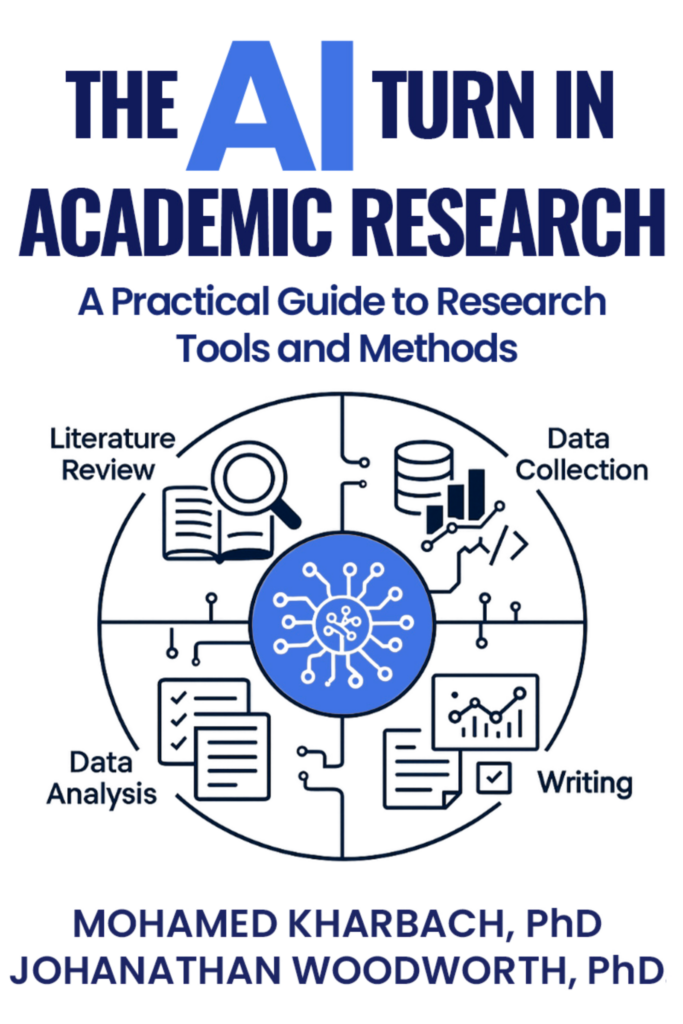
The AI Turn in Academic Research
A Practical Guide to Research Tools and Methods
My coauthored book examines how researchers can use AI while maintaining intellectual autonomy, methodological rigor, and ethical responsibility.
Seven parts follow the research process, from organizing notes and reviewing literature to collecting and analyzing data, communicating findings, and reflecting on research ethics. Written for graduate students and researchers, the book is available to read freely online.
Organize & investigate
Explore note-taking, reference management, literature searching, and critical reading with AI.
Analyze & communicate
Consider AI support for data collection, analysis, visualization, and research writing.
Keep inquiry accountable
Examine authorship, bias, transparency, originality, and the researcher’s responsibility for scholarly decisions.
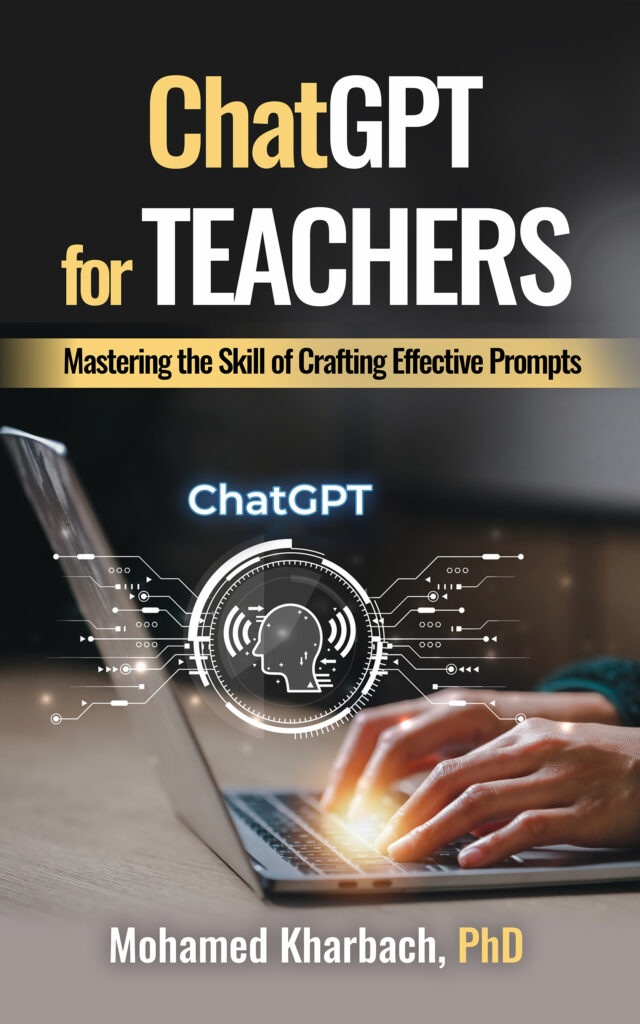
ChatGPT for Teachers
Mastering the Skill of Crafting Effective Prompts
A focused guide to communicating more effectively with ChatGPT in educational contexts. I introduce practical approaches to crafting precise prompts and making more thoughtful use of generative AI in teaching.
The book brings prompting skills together with attention to common challenges, including bias and plagiarism, so educators can approach AI with clearer intentions and professional judgment.
Craft clearer prompts
Develop the skill of asking precise questions and communicating your educational needs.
Connect AI to teaching
Explore practical strategies for interacting with generative AI in your instructional practice.
Use AI responsibly
Recognize ethical challenges and retain your judgment when working with AI-generated responses.